
The history of gambling: From ancient times to the present
The Origins of Gambling
The practice of gambling is believed to date back to ancient civilizations, with evidence found in China, Egypt, and Mesopotamia. The oldest known gambling artifacts are dice that date back to around 3000 BC, discovered in areas that are now part of modern-day Iran. These ancient peoples engaged in various forms of games of chance, using rudimentary instruments like stones and bones to determine outcomes.
The Gambling Act of ancient China, paired with the development of betting on the outcomes of events—such as fights and races—laid foundational practices that would evolve over time. The connection between luck and strategy became embedded in early societies, leading to entertainment forms that have persisted through centuries. As gambling spread globally, it took different forms based on local customs, evolving into the multifaceted industry we recognize today. For a deeper dive into the evolution of gambling, including aspects of modern gaming, you can explore a fast payout casino.

Throughout history, gambling represented more than mere amusement; it served significant social and cultural functions. Community gatherings centered around games of chance helped forge bonds among individuals, illustrating how the practice was woven into the fabric of society. In addition, gambling has often been linked to ancient religious rituals, where casting lots or betting might coincide with divination practices, highlighting a deeper connection to fate and fortune that transcends mere entertainment.
The Influence of the Roman and Greek Era
The Greco-Roman world significantly influenced the evolution of gambling practices. The Greeks used dice and engaged in a variety of betting games in both communal and private settings. The Romans built upon this, establishing betting on gladiatorial games and sporting events, making gambling a staple of their society. This era not only popularized gambling among the masses but also began to impose regulations, as the government recognized its economic potential.
As the Roman Empire expanded, so too did the acceptance of gambling, allowing it to permeate various cultures. However, this popularity was met with moral outrage from philosophers and rules from political leaders. Despite attempts to regulate or suppress it, gambling continued to flourish, showcasing its resilience and persistent allure in human society. The merchant classes increasingly capitalized on this interest, laying the groundwork for organized gaming establishments that would emerge in later centuries.
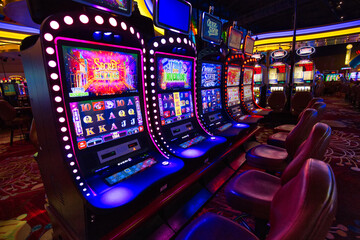
Roman emperors often recognized the potential of gambling as a tool for distraction during times of political unrest. Public spectacles, including chariot races and gladiatorial contests, became integral not only to entertainment but also to maintaining the social order. This understanding of gambling as a social lubricant propelled it further into the public sphere, where it survived, albeit with fluctuating degrees of acceptance through varying political regimes.
The Middle Ages and Renaissance
During the Middle Ages, gambling faced a tumultuous journey marked by both condemnation and intrigue. Influential figures within the Church often denounced gambling as immoral, perceiving it as a sin. Nonetheless, clandestine gambling continued within society, with games like cards emerging in Europe. By the time of the Renaissance, gambling had evolved into a more organized form, with the introduction of elaborate card games and betting on high-stakes activities, such as horse racing.
The social landscape of Europe began to shift, and with the rise of wealth among the nobility, gambling became entwined with the social elite. The establishment of public gaming houses allowed for the formalization of gambling practices, leading to an increased interest in games of chance that became spectacles of extravagance. This transformation laid the foundation for modern casinos, which would flourish in the following centuries.
The Renaissance also marked a turning point in artistic and cultural expression, and gambling was no exception. It became the subject of literature, paintings, and theater, reflecting both society’s fascination and its fears regarding luck and risk. This era saw the fusion of gambling with broader themes of life and destiny, making it a poignant metaphor for human existence.
The 19th Century and the Birth of Modern Gambling
The 19th century marked a pivotal moment in the history of gambling, particularly with the establishment of legalized and regulated gaming structures. The advent of state lotteries and the proliferation of casinos showcased an increased public acceptance of gambling, as governments began to recognize its potential as a source of revenue. The introduction of new games like poker and the formalization of betting rules began to create a more defined landscape for gambling enthusiasts.
The Industrial Revolution further boosted the gambling industry, as increased mobility allowed individuals to travel to gambling establishments. The development of electronic devices and games in the latter part of the century further transformed gambling, paving the way for the exciting gaming environments of the 20th century. The foundations laid during this period would set the stage for both legal frameworks and societal attitudes that would continue to evolve into modern times.
Additionally, the emergence of organized crime during this century intertwined with gambling, leading to an underground economy that operated alongside legitimate venues. This dark underbelly of gambling culture added a layer of complexity to how society viewed the practice, balancing between entertainment, risk, and the potential for exploitation. This duality would influence perceptions of gambling well into the next century.
The 21st Century and Online Gambling
The dawn of the 21st century has ushered in a new era in gambling, marked prominently by the rise of online gaming and digital casinos. The integration of the internet has revolutionized the way people engage with gambling, making it more accessible and varied than ever before. Online platforms have not only allowed for traditional gambling games but also fostered innovations like live dealer experiences and virtual reality gaming.
As the industry adapts to technological advancements, regulatory frameworks are also evolving to address the challenges posed by online platforms. Governments around the world are implementing guidelines to ensure safe and fair gaming while also capitalizing on the potential for tax revenue. The online gambling market continues to expand, reflecting changes in consumer preferences and the global nature of gaming.
This shift has also raised crucial discussions about responsible gambling, addiction, and the ethical implications of easy access to gambling. Various organizations and advocacy groups are working tirelessly to promote safe gambling practices, raising awareness about the risks involved in this rapidly changing landscape. As the digital era continues to unfold, the interplay between tradition and innovation in gambling will shape the future of this enduring pastime.